Addiction is defined as not having control over doing, taking or using something to the point where it could be harmful to you.
Addiction is most commonly associated with gambling, drugs, alcohol and smoking, but it’s possible to be addicted to just about anything, including work, internet, solvents, shopping and sex.
At Waterman art therapy we offer a unique and effective approach to addiction treatment by facilitating emotional expression, promoting self-discovery, and enhancing coping skills, ultimately supporting long-term recovery.
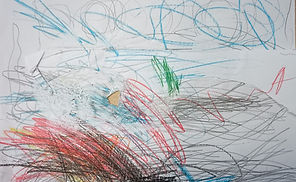
Emotional Expression and processing, through creative activities can help you to externalize feeling of grief, anger, and shame, which are often suppressed during addiction. The process not only aids in emotional release but also help you confront underlying traumas contribute to your addiction.
Engaging in art therapy encourages a journey of personal discovery to create a pathway to wellbeing. As you create art, you may reconnect with your true self, gaining insight into your thoughts and feelings. This reflective process can lead to breakthroughs in understanding personal triggers and emotional patterns related to your addiction. By visualizing your experiences, you can better comprehend your struggles and develop a stronger sense of identity, which is crucial for recovery.
Here at Waterman art therapy, we help you to equip yourself with healthy coping strategies to manage stress and emotional triggers. By providing tools to cope with feelings of loneliness, anger, or anxiety, which in turn can help prevent relapse.
You learn to channel your emotions into creative expression rather than the addictive behaviours, fostering resilience and emotional regulation.
Participating in creative activities has shown to lower cortisol levels, reducing stress and promotion relaxation. The stress relied on is vital you in recovery, as high stress can lead to crabbings and potential replace.
Additionally, art therapy can improve overall mental health by reducing symptoms of anxiety and depression, which often co-occur with substance use disorders.
Art therapy can be conducted in both individual and group settings, promoting peer support, shared emotional exploration, building community and support.
In group session, you can build trust and connect with others facing similar challenges, reducing feelings of shame and isolation, fostering a sense of community.
At waterman art therapy we suggest that Addiction art therapy is provided in groups to encourage the support from others with addiction.
Waterman art therapy provides a powerful complementary tool to addiction treatment, addressing emotional, psychological and social aspects of recovery. By facilitating emotional expression, enhancing self-awareness, aproviding coping strategies, art therapy plays a crucial role in helping you navigate your recovery journey and achieve your inner world and develop resilience against future challenges.